
Step Behind The Stage
Bitesize Festival
Riverside Studio, London - 12/07/25
Review by Daniel Marshall
Bitesize Festival
Riverside Studios remains one of London’s most vibrant cultural hubs, nestled in Hammersmith and hosting a diverse programme of arts events throughout the year. A standout in its annual calendar is the Bitesize Festival, a four week celebration of new and innovative theatre and live performance. Now in its sixth year, the festival has returned with another varied line up of exciting, thought provoking and often deeply moving work.
One of the festival’s greatest strengths is its fluid structure. Some productions appear for only a couple of days, while others enjoy week long residencies. It creates a balance between discovery and accessibility, giving audiences the chance to take a risk on something new while still having time to catch the shows that generate buzz. With multiple performances each day and full festival passes available for £50, it is remarkably easy to immerse yourself in as much theatre as possible. Alternatively, single tickets allow for a more curated visit. We were invited down this week and here are our thoughts on two of the most memorable pieces.
Are You Even Indian?
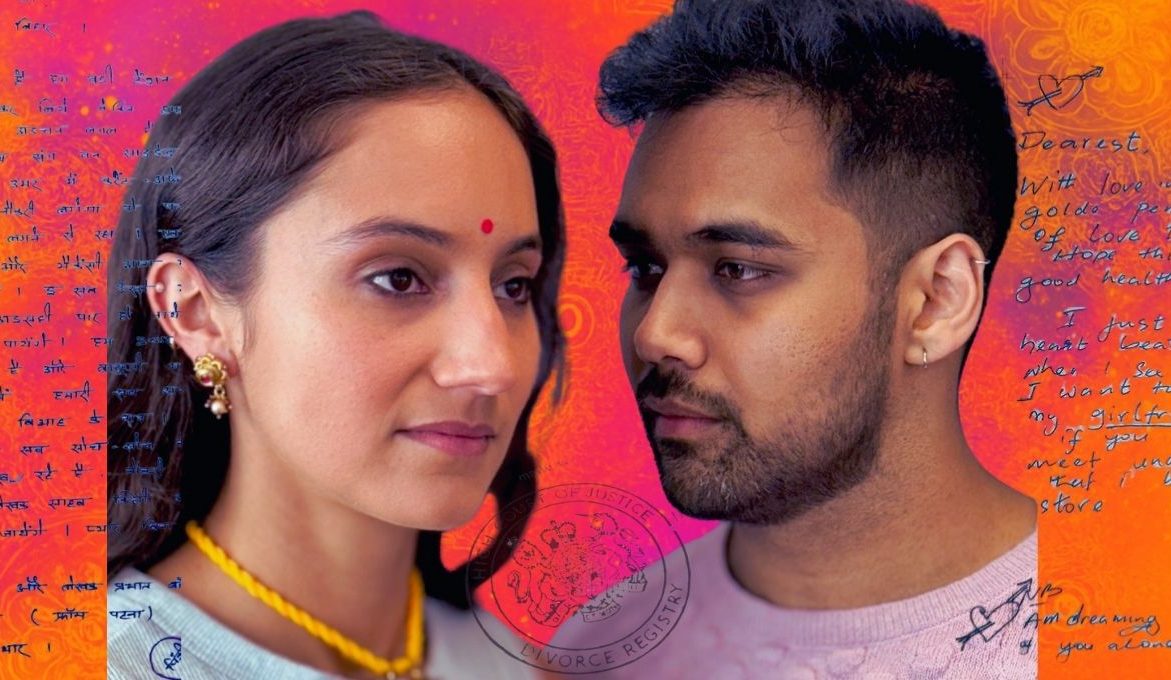
Are You Even Indian? is a gripping and culturally insightful piece of dance theatre written by Mohit Mathur, who also stars alongside Nisha Aaliya. Together they explore the complexities and fluidity of identity, focusing on the distinctions between Indians and British South Asians, and the traditions and evolutions that shape those differences.
The piece adopts a loose divorce themed courtroom structure. Many of the most striking monologues are delivered with Mathur and Aaliya positioned on opposite sides of the stage under individual spotlights, as though presenting their cases before a judge. It is a simple yet effective framing device that underscores the emotional stakes.
Within that structure, the show unfolds largely through reenactments of the couple’s shared history, blending naturalistic acting with expressive movement. We follow them from a first date clouded by questions of belonging, through to mounting tensions rooted in differing cultural expectations, particularly around parenthood.
Mathur and Aaliya share a compelling chemistry, capturing both the joy and strain of a relationship negotiating cultural nuance. The wedding sequence is a particular highlight, filled with cleverly choreographed costume changes and an infectious energy that draws the audience in. As the cracks begin to show, the pair convincingly portray two people desperately trying to hold onto love while grappling with values that feel fundamentally opposed.
The writing is exceptional, weaving sharp humour through poignant reflection. From exposing the contradictions within citizenship tests to dismantling lazy stereotypes, the script navigates complex territory with intelligence and heart. One line in particular lingers long after the curtain falls, when Aaliya’s character reflects on the pain of existing between cultures where “both your homes ask you to apologise for who you are”. It encapsulates the emotional core of the piece with devastating clarity.
Puck: A Fairy's Tale
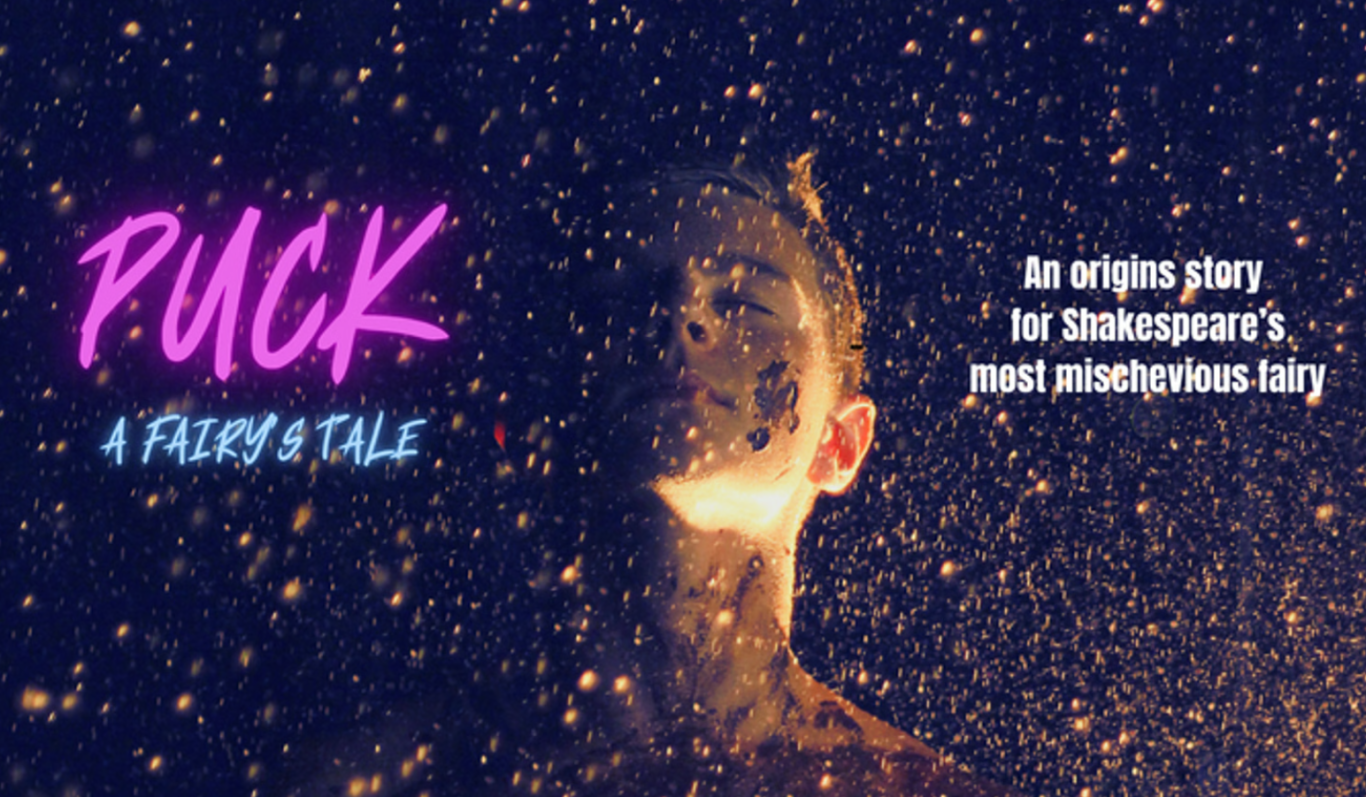
Written and performed by Fay Downie, Puck: A Fairy’s Tale reimagines the mischievous sprite from A Midsummer Night’s Dream in a vibrant and heartfelt prequel. Drawing inspiration from The Mad Pranks and Merry Jests of Robin Goodfellow, the piece presents Puck as a young neurodivergent individual navigating family conflict, a changeling baby brother and the turbulence of self discovery.
Adapting material connected to such a well known source risks alienating those unfamiliar with Shakespeare. Thankfully, Downie’s writing is inventive and accessible, welcoming audiences of all ages without requiring prior knowledge. For those who do know the original text, subtle references add an extra layer of delight.
Downie’s performance is captivating from the outset. They initially embrace Puck’s playful chaos with boundless energy, before gradually revealing emotional vulnerability beneath the mischief. The shift feels organic and deeply affecting. Commanding the intimate studio space with confidence, Downie immerses the audience in a magical world built as much through imagination as design.
It is in the inventive storytelling choices that the production truly shines. Fairies appear as glowing lights balanced on thumbs. Blankets transform into landscapes and characters through fluid choreography. These small yet creative touches overcome spatial limitations and instead turn them into strengths, enhancing the sense of wonder.
While Downie deserves immense praise as both writer and sole performer, the creative team’s contribution is equally significant. Olivia Mace’s direction and dramaturgy, alongside Lia Burge’s movement direction, deepen the emotional arc and physical storytelling. Co producer Amanda Hart supports the vision with clarity, while Jamie Beamish’s composition and sound design create an immersive sonic backdrop that enriches the experience.
What begins as playful and chaotic evolves into something unexpectedly tender. By the final moments, the production carries a warmth and emotional resonance that feels genuinely earned. It is imaginative, heartfelt and quietly magical.